If you are trying to understand our emerging world, a good place to start might be Dubai International Airport at 2 AM in the morning. Underneath the steel and glass terminal with the ubiquitous global brands flashing Gucci or Swatch in a massive neon-lit, duty-free hall, you might be blinded by the 21st century consumerism and fail to see what is right in front of you: one of the most diverse collections of people under one roof on earth.
You might see henna-bearded Pakistani men in sandals and traditional garb huddled around an iPhone. Stylish European couples en route to the Maldives. Young Filipina nurses heading to contracts in Riyadh. Ethiopian families navigating connections across continents. Chinese engineers bound for infrastructure projects in Africa. Indian IT workers returning to Bangalore from client meetings in London, and Nepali laborers catching some sleep in the quiet corners on their way to construction jobs in the region.
Would-be novelists should spend a week in the airport. The storylines would be endless, but there’s a bigger story at play here. When historians look back on the first quarter of our century, they will mark it as the era in which the emerging world ceased to be a hinterland of the global economy and became one of its central pillars.
The rise of China, India, broader Asia, and swaths of Africa and Latin America will loom large in that account, but so too will the nexus states and cities that served as the connective tissue and circulatory pumps of this transformation, moving capital, talent, and goods across borders and time zones.
The United Arab Emirates stands out as one of the most consequential of those pivotal nexus states — and Dubai International Airport often feels like its epicenter.
01 Nexus States and the UAE
What is a nexus state? It’s a state positioned at the intersection of the key global flows that shape our world: goods, services, people, data, capital, and ideas. The truly significant nexus states and cities are not passive nodes or pass-through hubs. They are active drivers of these flows. Historically, cities that have emerged as key nexus states have not only driven growth at home, but also shaped their regions and defined their era. Think Amsterdam in the 17th and 18th centuries, indispensable to the rise of European commerce, or London in the 18th and 19th centuries as the nerve center of an expanding global economy (although both also resorted to cannons and guns at times as part of their commercial “diplomacy”). New York inherited that nexus city mantle through the 19th and 20th centuries; more recently Singapore and Hong Kong emerged as the gateway cities of Asia’s rise and Miami as the hub of the Americas.
I first introduced the concept of the UAE as a nexus state in a white paper on UAE-Africa ties more than a decade ago. The scholar Christian Henderson expanded on this idea in a defining paper, and it is today well-established. It was captured neatly by Abu Dhabi-based scholar Kristian Alexander, who describes the UAE as a nexus state that multiplies its influence by connecting regions across Asia, Africa, and Europe, modes spanning sea, air, rail, and digital infrastructure, and sectors encompassing energy, finance, logistics, technology, and culture.
There is also another key characteristic of the UAE’s role as a nexus state. It is a high-velocity nexus -- one that doesn’t merely sit at the intersection of global flows, but accelerates them. The UAE deploys capital before markets mature, builds infrastructure ahead of demand, and makes strategic decisions at a speed that most nation-states — let alone many private companies — cannot match. In the private sector, speed and first mover advantages are often the differentiator between good companies and great companies. The same can be said for nexus states. Geography is important, as is governance and sound policymaking, but velocity supercharges them all.
The crafters of nexus states also seem to have a keen sense of what’s coming next but, in reality, few can forecast the future. What distinguishes the crafters of nexus states is their willingness to make big bets on the infrastructure of connectivity, which, as it turns out, is a good bet on the future. What distinguishes the UAE even further is the speed at which those bets are made, funded, and executed — and the willingness to build for a future that has not yet arrived.
Talal Al Kaissi, Chief Executive Officer of Core42 summed up this idea recently at an event hosted by the U.S-U.A.E Business Council in Washington, when he said: “The simplest way I can describe the U.A.E. is that we build strategic infrastructure before the rest of the world agrees that it is urgent.”
02 The Urgency of Connectivity
Geopolitical strategist Joshua Cooper Ramo, writing in his book, The Seventh Sense, notes that, “we are now in the earliest stages of a shift that promises to be still more consequential than the one that enlightened and industrialized our world over several centuries after the Dark Ages.” He points to the power of networks and connectivity as vital to the future of nations, firms, and individuals. “We experience power through networks now, as once we experienced it through brick-bound institutions such as universities or military headquarters or telephone companies.” In short, the more networked nations will succeed. Nexus states like the UAE contain dense networks of connectivity that drive their own growth and development, but also fuel the globalization that has contributed to unprecedented prosperity worldwide. Indeed, the most networked nations are likely to be the most prosperous, and will lead our future. There is, therefore, an urgency in connectivity.
Few places on earth are as connected as the UAE. Dubai’s airport is the busiest international hub in the world, surpassing London Heathrow in 2014 and never looking back. In the year 2025, some 95 million passengers flowed through Dubai International Airport. Abu Dhabi International Airport is also rising as a significant hub, and Sharjah airport has been home to rapid growth in regional budget carriers. UAE airlines – notably Emirates and Etihad – have become household names in travel (not to mention sports sponsorship). Emirates has emerged as one of the largest long-haul carriers in the world.
Of course, the UAE has competition. Qatar Airways and its air hub in Doha have also become major long-haul players, and Saudi Arabia is building a new airline – RiyadhAir – and expanding its airport to play a more prominent role in global aviation. These Gulf air hubs have become vital connectors. Last year, roughly one out of three travelers flowing between Europe and Asia connected at one of these hubs. When the history of aviation in the 21st century is written, a defining theme will be the rise of the Asian traveler, and the key West Asian hubs that drove that growth.
If Dubai International airport can be seen as an iconic symbol of the air travel revolution, the Jebel Ali port should be seen as a symbol of the shipping revolution that underpins globalization. On a recent visit to Jebel Ali port, my car drove on Free Trading Street - yes, that’s the name – past miles of warehouses and cargo trucks with containers stacked over the horizon as far as the eye can see - Maersk, Hapag Lloyd, COSCO, MSC, CMA CGM, a roll call of shipping heavyweights. A visit to Jebel Ali feels like one is looking under the hood of globalization, exploring the pipes and valves that pump blood into the arteries of the vast $35 trillion world trade machine.
The parent company of the Jebel Ali port is DP World, the seventh largest ports operator in the world with operations across more than 75 countries from the Americas to Africa to Asia to Europe -- from South Carolina to South Asia. All told, some 10% of all world trade passes through DP World’s logistics infrastructure. Beyond the water, DP World is also a major investor in inland logistics and special economic zones around the world.
When the late ruler of Dubai Sheikh Rashid first broached the idea of a massive port in Jebel Ali, many scoffed – including some of his own advisors. Today, the Jebel Ali port is a key reason why the UAE’s total foreign trade reached $1.6 trillion in 2025, with non-oil merchandise trade surging 27 percent. The UAE also ranked among the world’s top ten merchandise exporters for the first time, clocking in at ninth globally, according to the World Trade Organization. The UAE accounts for some 2.5% of global merchandise exports, a disproportionate share for a country representing just 0.14% of the world’s population.
The UAE – with a population of roughly 11 million -- moves more international trade than Brazil or Indonesia, countries with populations exceeding 200 million people.
The UAE’s ports are among the busiest and most global transshipment hubs, and the state has been doubling down on trade, signing Comprehensive Economic Partnership Agreements (CEPA’s) with the Philippines, Nigeria, the Democratic Republic of Congo, and Gabon in the first quarter of 2026 alone. All told, the UAE has concluded Comprehensive Economic Partnership Agreements (CEPAs) with 27 countries over the past three years, fueling its strategy of embedding the country’s trade networks more deeply into the world's fastest-growing trade corridors.
The country has leveraged its growing network of trade agreements, global investment partnerships, and infrastructure advantages into strong gains in both economic output and foreign investment. UAE GDP reached approximately $517 billion in 2025, with the non-oil economy expanding by nearly 7 percent, a reflection of the country's long-running diversification drive. Foreign direct investment inflows reached $45.6 billion in 2024, a 49 percent increase from the previous year, placing the UAE among the world's top destinations for foreign capital. This owes partly to its role as a nexus state that connects global trade, finance, technology, and logistics.
On energy, the UAE has emerged as one of the world's most strategically positioned producers. With production capacity approaching 5 million barrels per day and a fiscal breakeven oil price estimated at roughly $50 per barrel, the country enjoys significant flexibility to pursue market share, invest through commodity cycles, and weather periods of lower prices. That confidence was reflected in its decision to leave OPEC and withdraw from the Organization of Arab Petroleum Exporting Countries (OAPEC), a move that underscored Abu Dhabi's growing preference for strategic autonomy and its willingness to pursue national energy interests outside traditional cartel structures. By freeing itself from production constraints, the UAE can fully leverage billions of dollars in upstream investments and maximize output from its expanding resource base.
Abu Dhabi's energy ambitions extend far beyond hydrocarbons. Though a leading oil and gas producer, it simultaneously invests in the energy systems of the future. The country has committed to achieving net-zero emissions by 2050, operates the Arab world's first civilian nuclear power plant at Barakah—which supplies roughly a quarter of its electricity—and, through Masdar, has become one of the world's most active investors in renewable energy projects across six continents. Taken together, these initiatives reflect a broader national strategy: to remain a dominant force in the traditional energy economy while securing a leadership role in the emerging low-carbon one. Few countries are pursuing both objectives with the same scale, speed, and financial resources as the UAE – once again, an example of a high-velocity nexus state.
03 The Capital of Capital
While traditional ideas of nexus states focus on a nation’s role as a facilitator of flows, less attention is paid to the deployment of capital. The UAE has emerged as one of the most significant outward investors in the world. UAE capital, including $2.7 trillion in sovereign wealth funds as well as the balance sheets of state-owned enterprises and private businesses are among the most active investors in the world. Abu Dhabi has been dubbed “the capital of capital” for its key role as the hub of the UAE’s sovereign wealth. It is one of the most significant centers of patient sovereign capital in the world. ADIA ranks among the largest sovereign wealth funds on earth. Mubadala has become a sophisticated global investor with assets reaching Dh1.4 trillion. L’imad, Abu Dhabi’s newest sovereign vehicle, is building positions across food security, ports, aviation, and logistics corridors from Africa to Southeast Asia.
The UAE has been one of the world's leading sources of outward investment over the past two decades, according to UNCTAD figures. Emirati companies have become major builders, operators, and owners of assets across the global economy.
Between 2019 and 2023, the UAE committed more than $110 billion to greenfield projects abroad, with over $70 billion directed toward energy, clean technology, and renewable industries.
These investments reflect the country's growing role as a global source of capital and its focus on sectors tied to energy, infrastructure, and technological transformation.
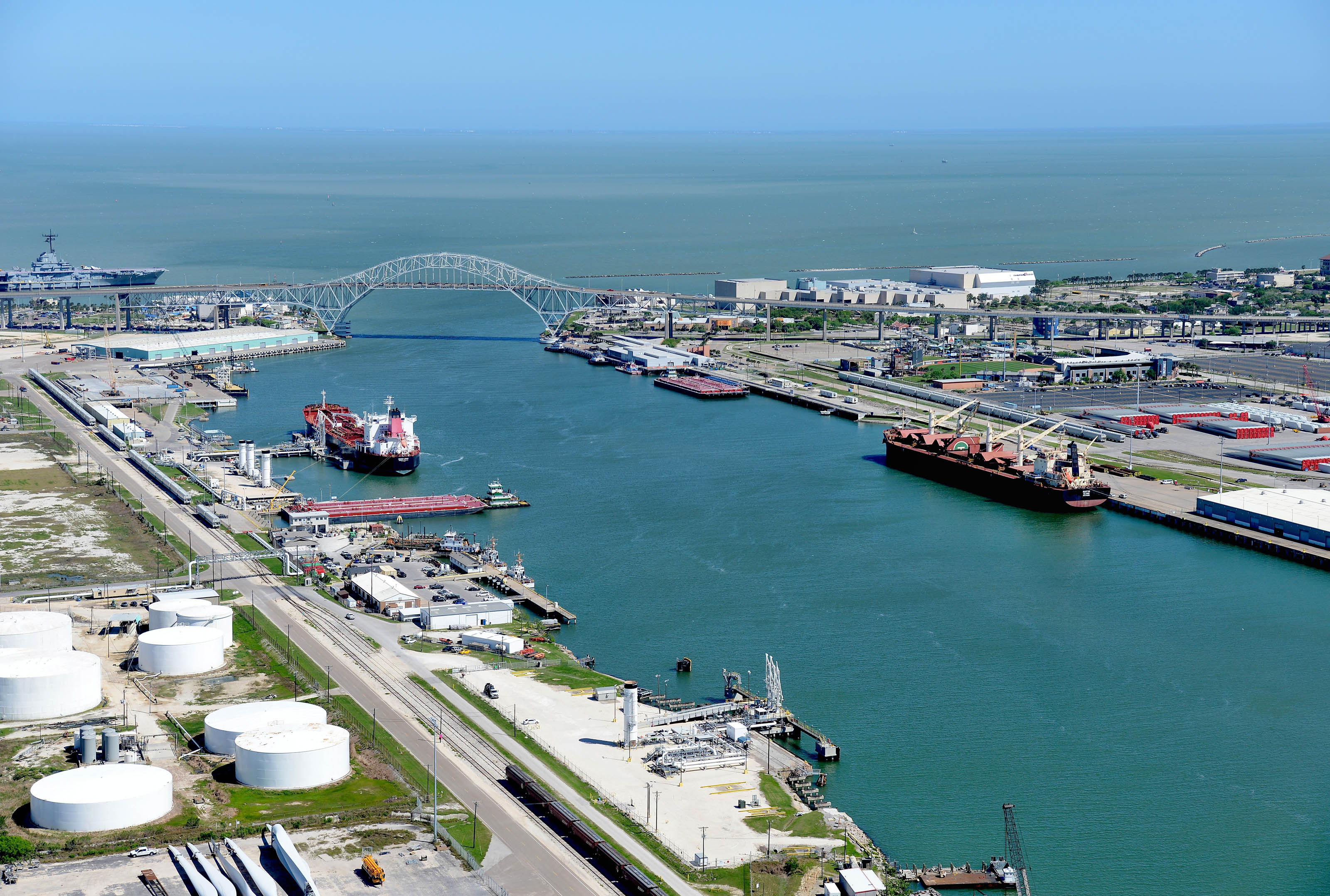
That strategy has helped transform UAE state-backed enterprises into globally significant commercial players. Emirates Airline connects more than 150 destinations across six continents. DP World operates ports and logistics hubs spanning Africa, Asia, Europe, Australia, and the Americas. Jumeirah manages hotels from London to Shanghai. Emirates Global Aluminium, which produces roughly one in every twenty-five tons of aluminum made worldwide, is investing $4 billion in a new smelter in Oklahoma—the first new primary aluminum smelter planned in the United States in decades. Together, these companies illustrate how the UAE has evolved from a regional energy exporter into a global investor, operator, and builder of critical infrastructure spanning transportation, logistics, hospitality, manufacturing, and energy.
04 The Growing UAE-US Partnership and the UAE's Role as a Nexus State
The Emirates Global Aluminium investment is part of a broader expansion of UAE capital into the United States. Abu Dhabi's state-backed enterprises, including ADNOC through its international investment platform XRG, have identified the United States as a strategic market and are pursuing investments across the natural gas and LNG value chain. The company has targeted $440 billion in US energy investments by 2035.These investments reflect a long-term assessment that U.S. energy resources, infrastructure, and export capacity will remain central to global energy markets for decades to come.
The UAE's economic relationship with the United States is increasingly shaped by the convergence of trade, energy, and advanced technology. Bilateral goods trade reached approximately $39 billion in 2025, up more than 13 percent from the previous year, with the United States maintaining a sizable trade surplus. This trade relationship is now being complemented by deeper investment and technology partnerships, particularly in artificial intelligence, data centers, energy infrastructure, and advanced computing.
The relationship is already “one of the world’s most consequential,” as UAE Ambassador to the U.S and Minister of State Yousef Al Otaiba noted. He cited the fact that more than $1 trillion has already been invested in the U.S by UAE entities and a $1.4 trillion investment framework over the next decade is not only aspirational, but rather, “it is reality, unfolding now.” He described UAE investors as “deploying capital at scale, building advanced infrastructure and delivering impact at speed.”
The UAE has also emerged as one of the world's fastest adopters of artificial intelligence. Microsoft's Global AI Adoption report ranked the UAE first globally in AI diffusion, with 64 percent of the working-age population using AI by the end of 2025. That ranking reflects the country's early investments in digital infrastructure, government adoption, AI skills, and cloud capacity. For the United States, this creates a significant opportunity: the UAE is not only a major buyer of American technology, but also a partner in building the infrastructure required for the next phase of AI development.
This is where the bilateral relationship becomes strategically important. AI requires electricity, data centers, semiconductors, cloud platforms, and secure digital infrastructure. The UAE's capital base, energy resources, and ambition to become a global AI hub align closely with U.S. strengths in advanced chips, cloud computing, software, and frontier AI models.
As a result, the U.S.-UAE relationship is evolving from a traditional trade and energy partnership into a broader platform for cooperation in the technologies and infrastructure that will shape the next generation of global growth.
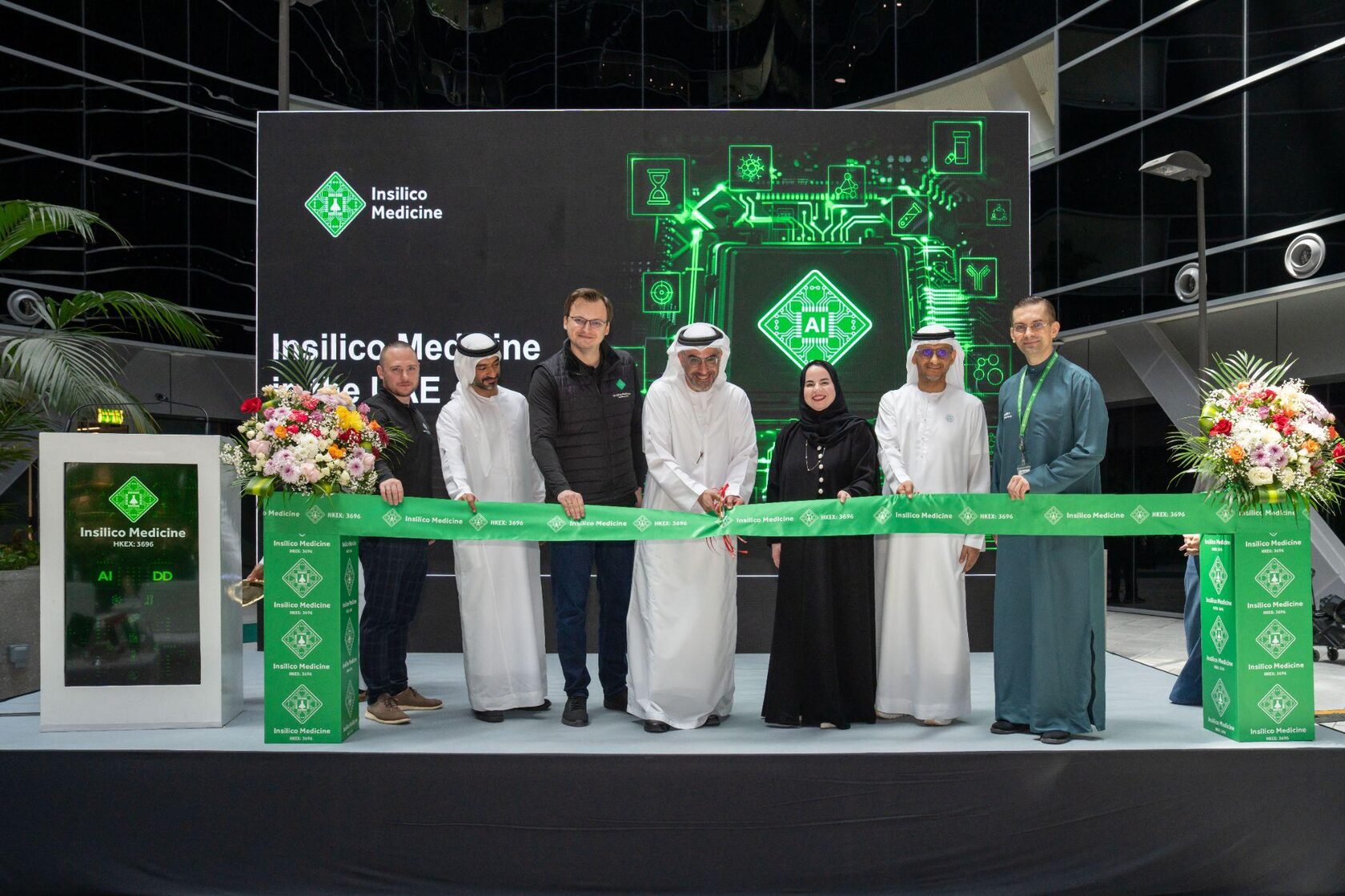
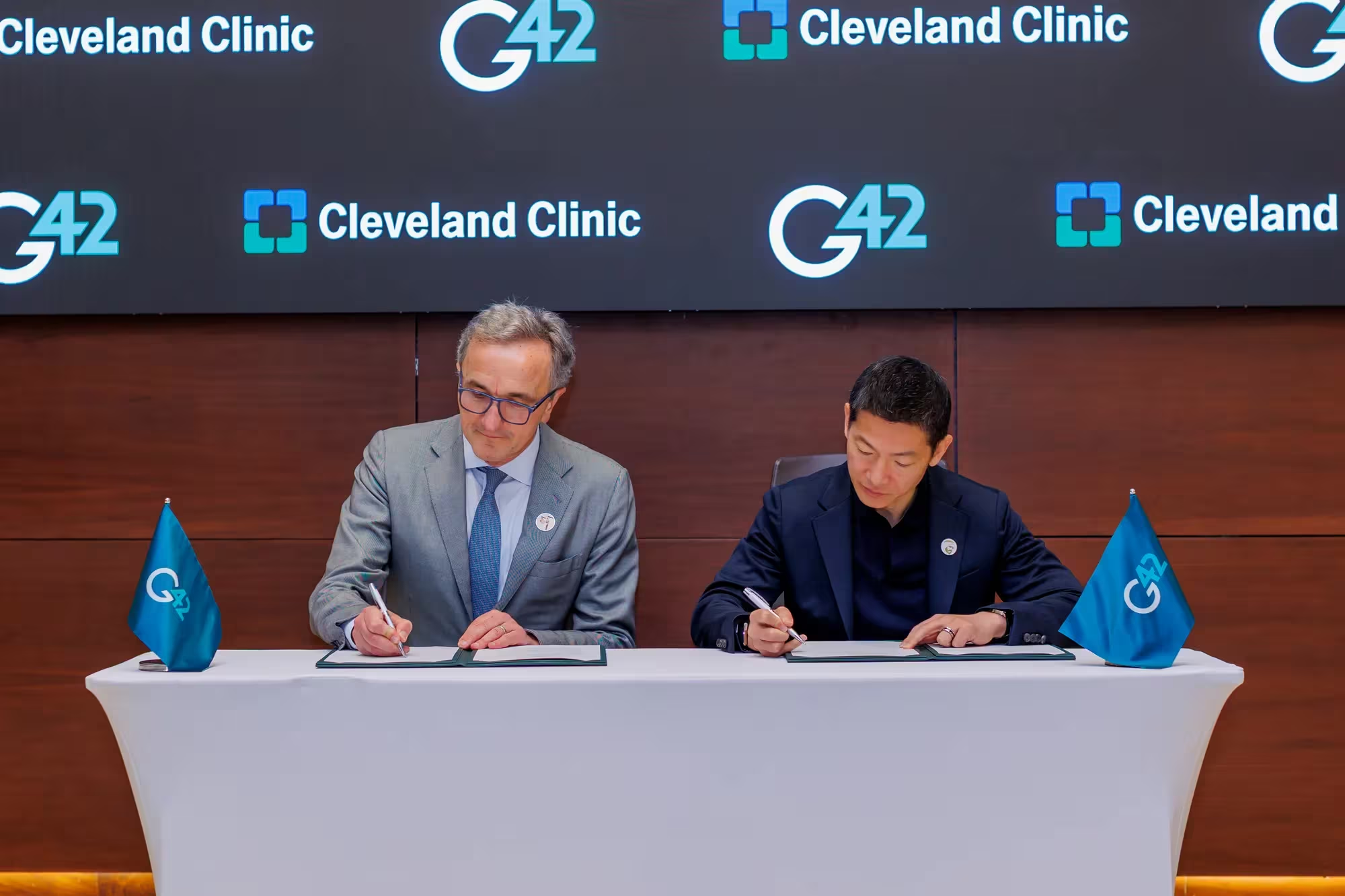
UAE-backed firms have expanded their presence in digital infrastructure, advanced computing, and artificial intelligence. Core42 has increased its U.S. data center footprint, while MGX has emerged as a significant investor in the AI sector, including through investments in leading American technology companies. These efforts are reinforced by the U.S.-UAE AI Acceleration Partnership, which seeks to deepen cooperation in artificial intelligence, cloud computing, advanced semiconductors, and digital infrastructure.
At the center of this effort is Stargate UAE, a planned five-gigawatt artificial intelligence campus in Abu Dhabi being developed through a partnership that includes G42, OpenAI, Oracle, NVIDIA, Cisco, and SoftBank. The project is intended to expand advanced computing capacity in the Middle East while strengthening technological linkages between the UAE and the United States. Together with growing Emirati investments in American energy, manufacturing, logistics, and technology, these initiatives point to an increasingly diversified bilateral economic relationship, one that is centered on infrastructure, innovation, and long-term strategic investment.
05 Stress-Testing the Model in a Time of War
The true test of a nexus state is not what it does in periods of stability, but how it performs when the systems on which it depends come under stress. That test has now arrived. Beginning in March 2026, Iran's closure of the Strait of Hormuz disrupted one of the world's most important trade and energy corridors. Oil prices rose sharply, shipping costs surged, and a significant share of global energy flows was forced off its normal routes. For Gulf states whose exports remain heavily dependent on the Strait, the consequences were immediate. The UAE felt the pain immediately but it also entered the crisis with some critical infrastructure that had been built years before the disruption occurred. The Abu Dhabi Crude Oil Pipeline to Fujairah allowed a portion of the country's exports to bypass the Strait entirely. It is now doubling down on Fujairah, adding more pipeline capacity and building up its eastern coast, strengthening another node in its nexus model. The pipeline was a practical demonstration of the high-velocity model: investing in connectivity, redundancy, and resilience before a crisis makes those investments appear necessary.
At the same time, the crisis exposed the limits of even the most sophisticated preparations. The Hormuz closure disrupted trade flows, increased costs across global supply chains, and injected a new level of uncertainty into international markets. Rising fertilizer prices, higher transportation costs, and energy shortages in import-dependent economies illustrate the broader consequences of a prolonged disruption for the global economy. The UAE itself has also faced direct security challenges, including repeated missile and drone attacks targeting its territory.
Despite the disruption, the UAE's core economic strategy has remained intact. Major infrastructure projects have continued, international capital has continued to flow into the country, and investments in advanced technologies—including artificial intelligence, data centers, and digital infrastructure—have proceeded largely uninterrupted. The crisis has demonstrated both the strengths and limitations of the nexus-state model: connectivity creates exposure, but it can also create flexibility, redundancy, and the capacity to adapt more quickly than competitors.
Make no mistake: several aspects of the UAE connectivity story will remain under stress as long as the prospect of renewed war looms. A country whose prosperity is partly rooted on openness to the world will always be vulnerable when the world becomes less open.
But this is not the first time the UAE's model has been tested. The global financial crisis of 2008–09 and the COVID-19 pandemic each struck at the flows of capital, commerce, and people on which the country's success depends. In both cases, the UAE recovered rapidly. Its response reflected the characteristics that have increasingly defined the state: speed of decision-making, rapid deployment of capital, institutional flexibility, and a willingness to act before others. The current crisis represents the most severe test of that model to date. Whether the UAE emerges stronger will depend not on its ability to avoid disruption, but on its capacity to adapt faster than the system around it.
The opinions and ideas expressed in this article are solely the author’s.
For more on how the UAE–US economic partnership is accelerating through backing US innovators, scaling businesses, and creating jobs, sign up for our bi-weekly newsletter.